
Describe it once
Instead of repeating the same details to multiple companies, you give the basics one time and get connected to a contractor who handles water heater installation.
Serving Milwaukee, Wisconsin & surrounding areas
Calls answered around the clock
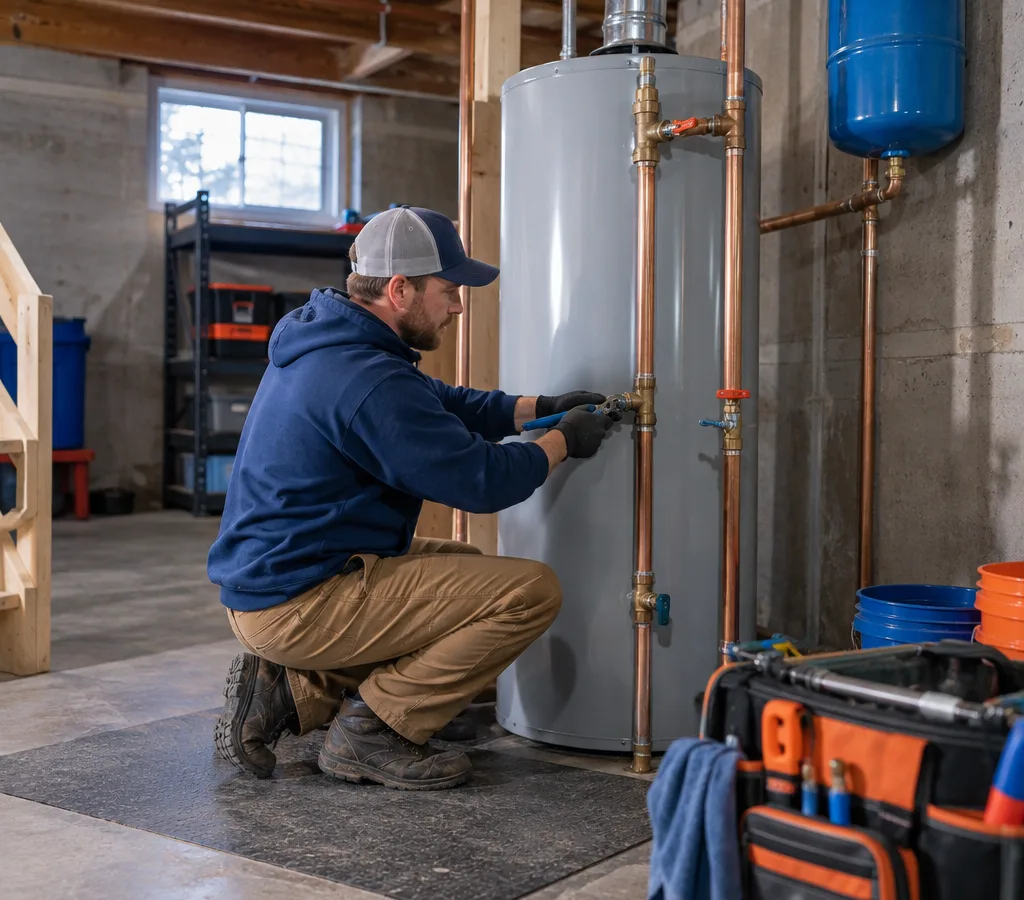
Water heater installation · Milwaukee
Describe your water heater situation once and we'll connect you with a local contractor who can handle the installation and answer your questions directly.
CALL NOW: (414) 310-6351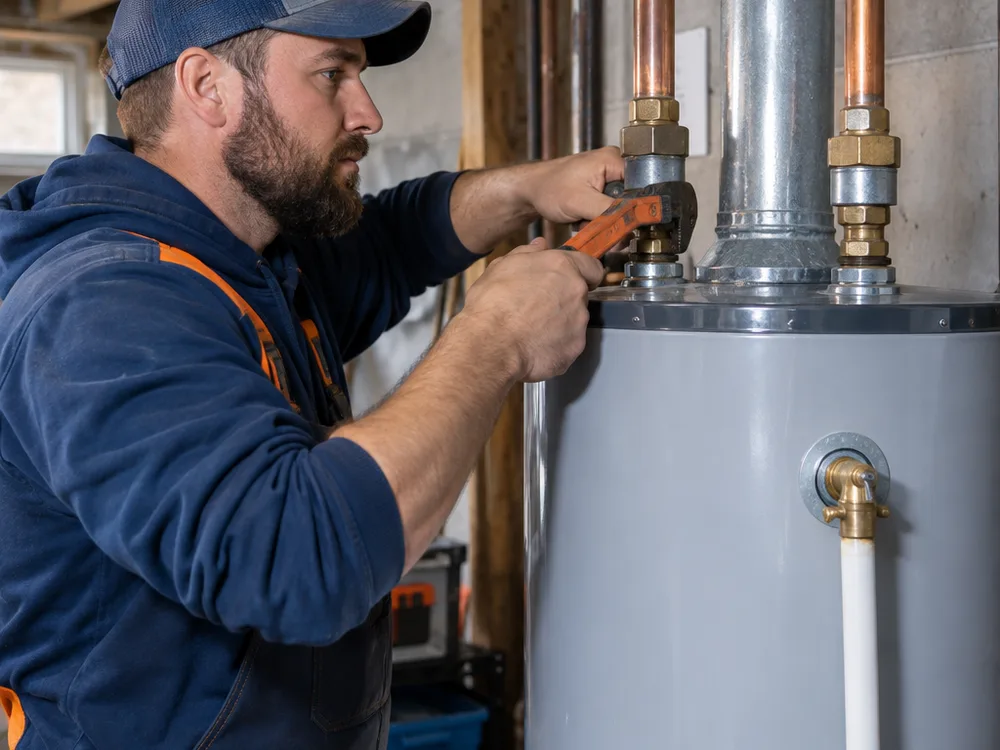
Milwaukee water heater installation usually means replacing an aging unit, upgrading capacity for a growing household, or switching fuel type or style from tank to tankless. If your existing unit can be fixed instead, our water heater repair in Milwaukee service covers the most common failures and how they're diagnosed. The contractor you speak with will start by confirming what you have now, what changed, and what the home's plumbing and venting will allow.
A typical installation plan covers:
Deciding between fixing and replacing can be its own question. When a tank is corroded or the tank itself is past its service life, our water heater replacement in Milwaukee page explains the options and what a like-for-like swap involves.
And if you're leaning toward on-demand hot water, tankless models have their own service needs — our tankless water heater repair page covers the common issues and how they're diagnosed.
If your tank is leaking or you are running out of hot water, the most helpful next step is a phone call. Milwaukee Water Heater Repair takes your details and connects you with a local contractor focused on this work so you can get answers specific to your home.
One organized referral
Instead of repeating the same details to multiple companies, you give the basics one time and get connected to a contractor who handles water heater installation.
Older basements, tight utility corners, and mixed pipe materials are common. The contractor can talk through what that means for replacement options and setup.
You can ask what the installer needs to see, what to shut off, and what information helps them quote the job accurately.
You speak with the contractor directly, get their recommendation, and decide whether to move forward.
If you're changing fuel type, venting style, or moving the unit, the contractor can explain what the installation will involve before anyone arrives.
Four clear steps
Tell us if the unit is leaking, making noise, running out of hot water, or if you're planning a remodel or upgrade. Mention whether it's gas or electric and whether it sits in a basement, closet, or utility room.
Helpful details include the tank size, approximate age, nearby floor drain, and whether the vent is a metal flue, PVC, or absent for an electric unit. A photo you can reference while talking also helps.
We connect you with an independent contractor who serves the Milwaukee area and handles installations like yours. You can ask questions and discuss options directly with them.
The contractor explains what they recommend for sizing, venting, connections, and safety items. If you want to proceed, you schedule directly with them.
If you're comparing water heater options, a short phone call is the quickest way to confirm what type of unit fits your plumbing, venting, and hot water demand.
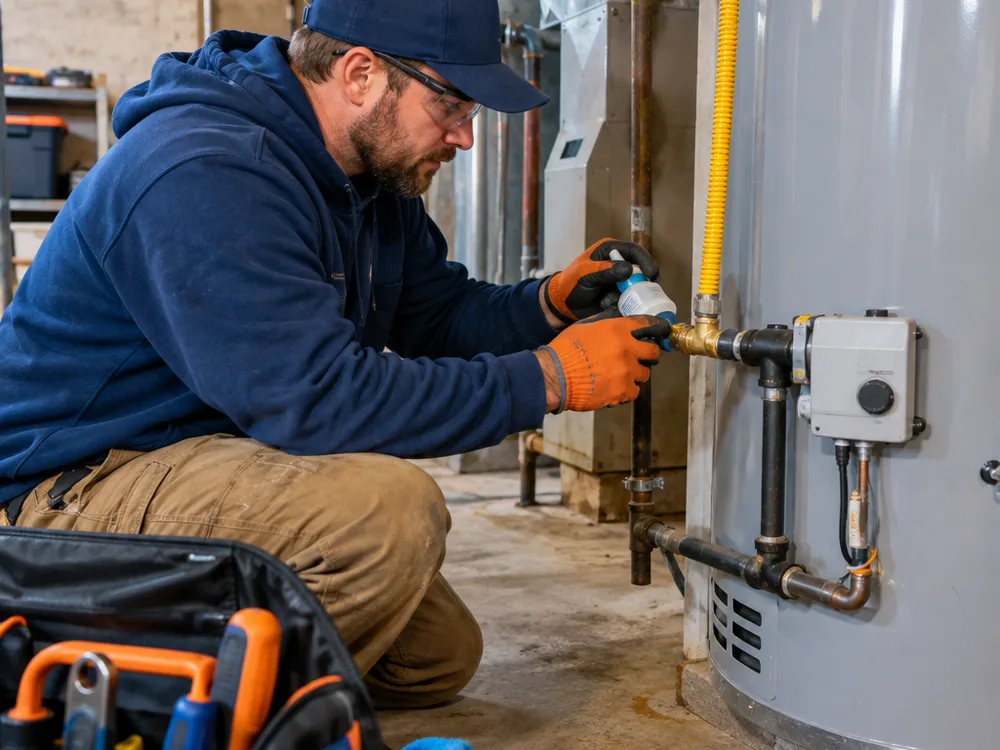
CALL NOW: (414) 310-6351Finished connections and controls
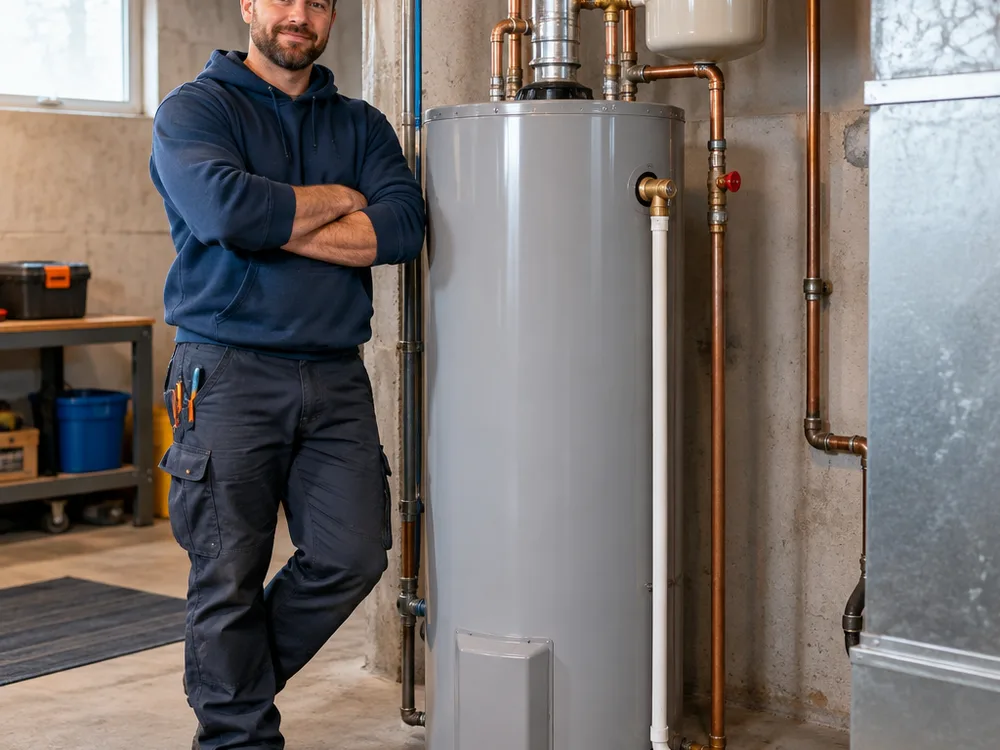
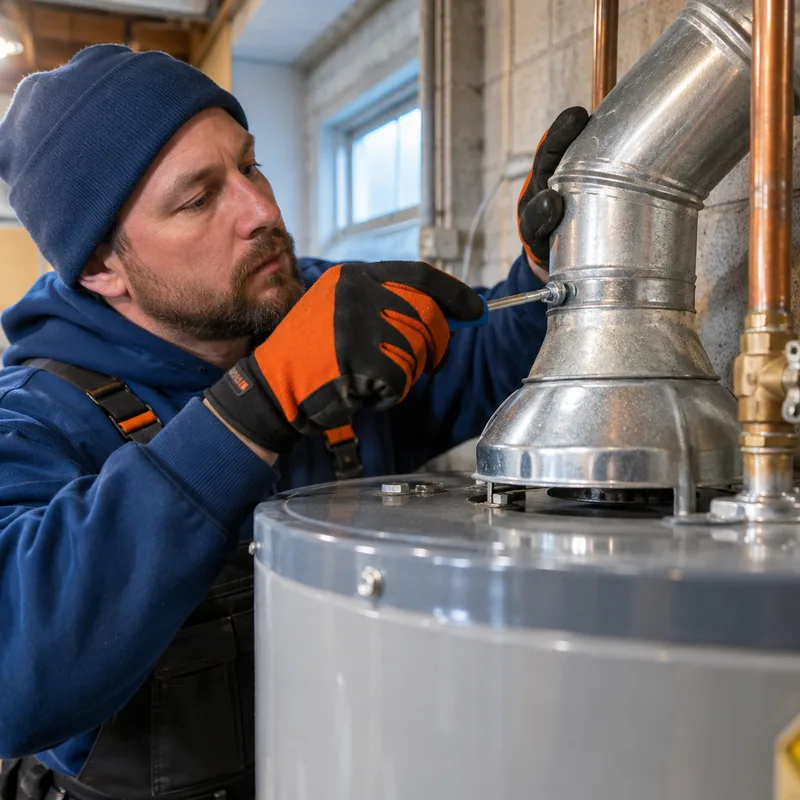
Questions before installation
The most useful details are fuel type, approximate tank size, unit location, and the problem prompting replacement. It also helps to note whether the vent enters a chimney or uses PVC and whether a floor drain is nearby.
Sizing is based on household hot-water demand and recovery, not only the old tank's label. The contractor will ask about bathrooms, simultaneous use, and whether the current unit runs out during peak times.
Fuel or style changes are possible, but installation details can change substantially. Electric units may need sufficient electrical capacity, while tankless models can require specific venting, combustion air, gas-line sizing, and condensate drainage.
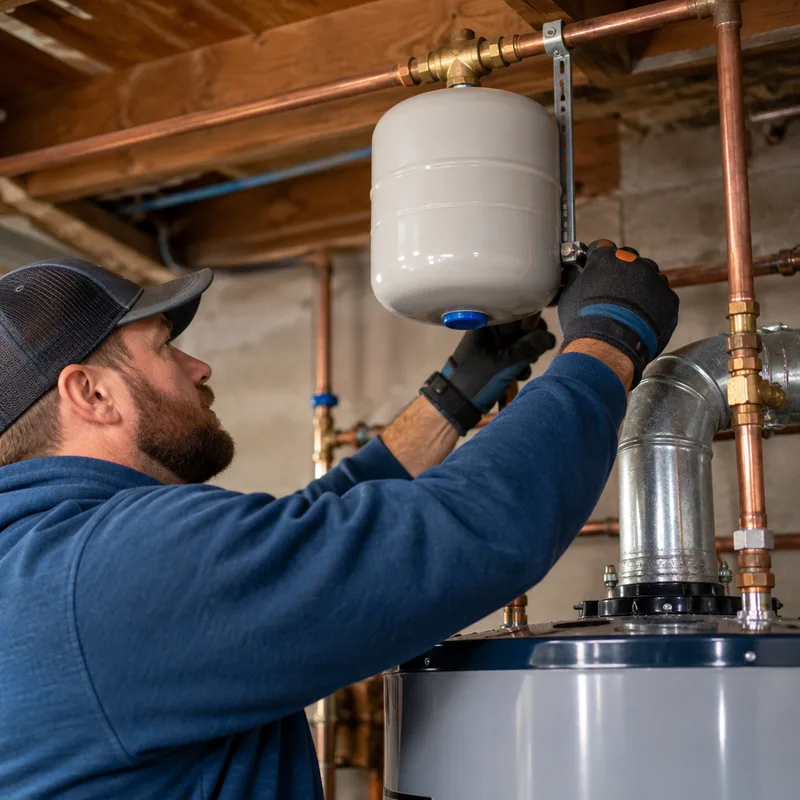
A pre-check includes confirming shutoffs work, examining pipe material and connections, verifying the relief valve and discharge route, and checking gas-unit venting. Any existing expansion tank and its support will also be considered.
Requirements vary by municipality and by whether the job is a straight replacement or changes fuel, venting, or location. The contractor can explain what typically applies where you live and whether inspections are involved.
In most installations the old unit is drained, disconnected, removed, and taken away for disposal or recycling. Mention narrow stairs, low clearances, or a small utility closet so the contractor can plan the removal.
Not always. Water can come from the tank, a failed valve, loose connections, or condensation associated with some venting issues. A contractor can help determine whether installation or a repair is the appropriate next conversation.
Sometimes it will, while other installations require updates for the new unit or existing conditions. Changes may include vent materials, gas-line details, shutoff valves, or relief-valve discharge piping.
Explain what you have now and what you want to change, and we'll connect you with a local Milwaukee-area contractor who can walk you through installation options and take it from there.